

Monday, June 16, 2014
LibraryAdventure.com: 52 Science-Themed Literacy Activities for Kids

Thursday, June 12, 2014
Reflections on Library Service to Summer Camps

Before I worked in an urban library, I didn’t realize that libraries hosted so many summer camps when school is out of session. In the DC area, though, many summer camps incorporate literacy components in order to help kids complete their required summer reading assignments. Summer camps also see libraries as an affordable field trip destination. To help your local summer camps get the most out of their library visits, and to keep yourself sane during those busy summer months, follow these guidelines:
- Be proactive. If you have camps in your neighborhood, or you know of camps who have contacted you for visits and programs in the past, get in touch with them far in advance of when their session actually begins. Instead of waiting for them to ask you for your involvement in their program, pull together a packet of information that lets them know what you can offer. Make it clear that they can contact you any time during the year, not just during the summer, and make sure they are aware of special programs like summer reading.
- Set limits. Sadly, some summer camps will try to take horrible advantage of the library. This is either because the camp does not have resources of its own, or because the folks who run the camp would prefer not to plan their own activities. (Sometimes it’s also because the folks running the camp just don’t know what libraries do, and they assume you have nothing but time to devote to their needs.) It’s important to provide camps with a reasonable number of programs, and to make their visits to the library positive and productive experiences. I tend to treat camps the same way I treat school groups. I limit the frequency of their visits based on how many camps (classes) I need to serve and I make sure not to schedule their visits in a way that detracts from the quality of service I provide to everyone else.
- Communicate expectations. I’ve found that a lot of camp counselors seem unsure of the library’s rules, and that they may not be regular library users on their own. When camps contact me - or when they show up unannounced at the library - I like to introduce myself and let them know the lay of the land. I show them where to put books when they are finished using them. I briefly explain behavior policies. I let them know where to go to ask questions, and inform them about the summer reading program. I make sure they understand what the library can and cannot offer, and I remind them as needed during their visits. Rarely have I seen a camp group come into a library and just naturally know what to do and how to behave. It’s helpful to have this conversation up front so no one is surprised when rules are enforced.
- Sign them up for summer reading. I have alluded to this twice already, but it bears repeating. Camp groups make great summer reading participants. They come with their own group of adults who can handle all the kids’ paperwork, and they do wonders for increasing participation statistics. The easier you make it for a camp to participate, the more likely they will be to do so, and the more likely they will be to seek out your library for the same experience the following year. Even if you have to provide a simplified version of your program to make it possible for a larger group to join in, it’s worth it.
Tuesday, June 10, 2014
Fizz Boom Reads: Picture Books


by Mac Barnett, illustrated by Dan Santat
A young girl builds a robot for her science project, then watches as it begins to destroy her city. Also check out the sequel, Oh No, Not Again!
11 Experiments That Failed
by Jenny Offill, illustrated by Nancy Carpenter
A mischievous little girl makes a series of hypotheses, then makes big messes as she tries to prove them.
by Alison Wortche, illustrated by Patrice Barton
When the self-proclaimed best student in Rosie's class falls ill during the class's plant-growing project, Rosie becomes a star by raising both her plant and the other girl's.
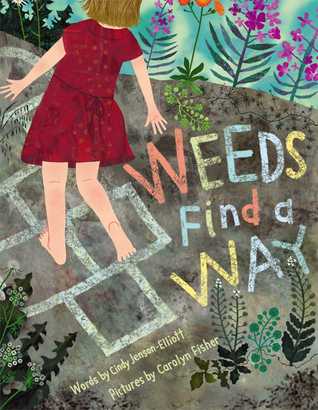
Weeds Find a Way
by Cindy Jenson-Elliott, illustrated by Carolyn Fisher
This poetic text describes weeds and how they grow, despite our efforts to thwart them.
How to Bicycle to the Moon to Plant Sunflowers: A Simple but Brilliant Plan in 24 Easy Steps
by Mordicai Gerstein
This imaginative picture book provides all the steps necessary to ride one's bike to the moon and plant flowers on its surface.

by Jorey Hurley
This almost-wordless picture book takes the reader on a visual journey through the life of a baby bird.
Argus
by Michelle Knudsen, illustrated by Andrea Wesson
Everyone in Mrs. Henshaw's class receives an egg to hatch. Most contain chicks, but Sally's turns out to be something much more interesting!

by Charise Mericle Harper
This book takes a look inside Henry's body, watching how his heart responds to various stimuli in his day-to-day life.
Water Can Be...
by Laura Purdie Salas, illustrated by Violeta Dabija
Poet Laura Purdie Salas shares the many uses and functions of water.
Water in the Park
by Emily Jenkins, illustrated by Stephanie Graegin
In 24 hours, water plays different roles in the lives of people who visit the park.
Wednesday, June 4, 2014
LibraryAdventure.com Interview: Meet Jennifer Wharton, Youth Services Librarian

Subscribe to:
Posts
(
Atom
)
