Tuesday, December 31, 2013

Secrets & Sharing Soda's Books of the Year (2013)

With the end of the year less than 24 hours away, it's time to look back on this year's reading and announce my picks for Secrets & Sharing Soda's books of the year.

In previous years, I have set specific reading goals (last year, I aimed to read 1500 books, for example), but this year I decided to give myself a break and just read, without worrying about reaching a particular number. In the end, I wound up reading 729 books that I had never read before, and an additional 210 which were repeat reads. Here is how the 729 break down by category:

From these books, I have selected favorites in five categories based on four main factors: literary quality, kid appeal, my personal feelings about the book, and its suitability for use in library programs and book talks. (This last factor was not weighed as heavily as the others.) Each category features a top favorite and three honorable mentions, because I could never choose just one favorite book! Links will take you to my reviews, if available, or to my posts about the book in my story time blog and on Goodreads.


Favorite Young Adult Contemporary Novel
 
by Elizabeth Eulberg
(Scholastic)

Honorable Mention:

Favorite Middle Grade Novel
by Kirkpatrick Hill; illustrations by LeUyen Pham
(Henry Holt & Co.)

Honorable Mention:

Favorite Chapter Book
by Graham Salisbury, illustrated by Jacqueline Rogers
(Wendy Lamb Books)


Honorable Mention:


Favorite Easy Reader
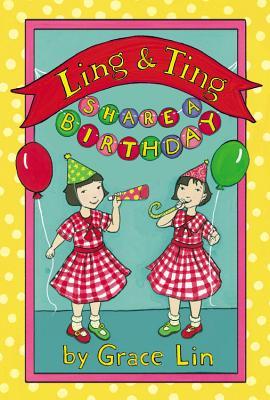
by Grace Lin 
(Little, Brown Books for Young Readers)

Honorable Mention: 

Favorite Picture Book
If You Want to See a Whale
by Julie Fogliano, illustrated by Erin E. Stead
(Roaring Brook Press)
Honorable Mention: 

Thank you so much for following Secrets & Sharing Soda through its third year! I look forward to starting year four tomorrow. In the meantime, take a look back at my favorite books of 2011 and my favorite books of 2012. Happy New Year!

Monday, December 30, 2013

Ten Picture Books to Welcome Winter


Though Winter officially starts up in December, wintry weather often doesn't hit until January, so I like to save this story time theme for after the holidays.  Here are ten great picture books celebrating the season of Winter. 

by Eileen Spinelli, illustrated by Marjorie Priceman
How will the town of Toby Mills survive this cold snap? Watch as the whole community finds ways to keep warm, culminating in a toasty celebration organized by the mayor's wife. This is a longer book best suited to school groups and preschoolers with sizeable attention spans. It works in story time, but for kids to get the full effect of everything happening in the illustrations, they'd need to sit with it one on one. 

by Emily Jenkins, illustrated by G. Brian Karas
Pauline and her brother John-John learn a lot about making money, advertising,  and supply and demand when they decide to open a lemonade stand in the dead of winter. I have read this to pre-K classes in the past with great results. They don't quite follow the money-counting aspects of the story, but they do pick up on a lot of  the business practices used by the characters.


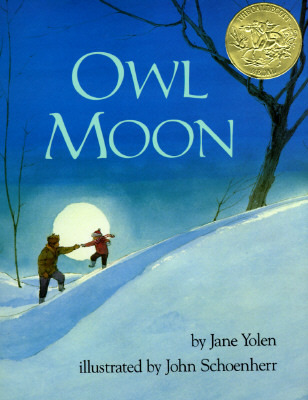
Owl Moon
by Jane Yolen, illustrated by John Schoenherr
There is no better read-aloud for Winter than this book. Kids of all ages respond to the poetic text and the gorgeous artwork, and it feels fresh every time I read it aloud.

Winter Lullaby
by Barbara Seuling, illustrated by Greg Newbold
Find out where the animals go in winter in this simple rhyming story. This book works well with toddlers, especially, but preschoolers, too, might like to call out the name of each animal and where it spends the winter months.


A Little Bit of Winter
by Paul Stewart and Chris Riddell
When Hedgehog must hibernate, he asks Rabbit to save him a little bit of Winter for when he wakes up, but Rabbit finds this easier said than done. This book has enough of a plot that preschoolers don't get bored, but it's still short enough to hold the attention of twos and threes who might not be that familiar with sitting for longer stories.


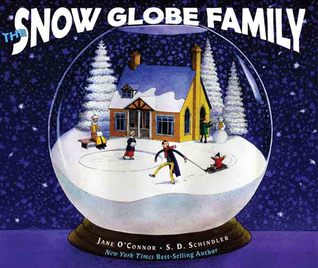
by Jane O'Connor, illustrated by S.D. Schindler
A family living inside a long-neglected snow globe longs for it to snow,  as do the big people who live in the house where the snow globe is kept. When snow falls, the Baby who lives in the house finds the snow globe and the family's wish finally comes true. This is a good school-age read-aloud. I especially like to ask kids in Pre-K through Grade 2 what would happen if they lived in a snow globe. They always give great, insightful answers.


by Kate Messner, illustrated by Christopher Silas Neal
See what happens underground and in the snow itself in this picture book all about animals who do and do not hibernate.  The pictures in this one make it stand out, though the text might be a bit much for the average preschool group. Animal lovers will enjoy it as a one-on-one read.


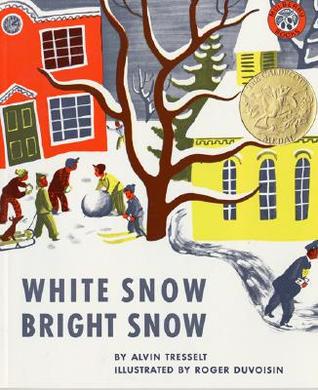
by Alvin Tresselt, illustrated by Roger Duvoisin
This oldie-but-goodie Caldecott winner narrates one community's response to a snowy day and shows how the neighborhood looks all covered in snow. 

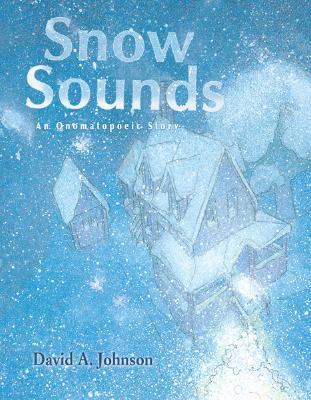
by David A. Johnson
This book tells the story of a snow day using only onomatopoeia. Story time groups love to make the sounds of the plow and various other vehicles that appear in the illustrations. This book pairs well with the poem "Ears Hear" by Lucia and James L. Hymes, Jr.

by Lita Judge
This mostly-wordless picture book  shows what happens when a child leaves a sled out overnight and the animals take a turn riding it. Similar to Duck on a Bike, but with a winter spin.

Monday, December 23, 2013

Reflections on Library Service to Toddlers

I have been working with toddlers almost my entire adult life, but never in such great numbers or in such an unstructured environment as in the public library. For the purposes of this post, I am defining toddlers as children who walk but who have not yet passed their third birthday, because this is how I separated toddlers from babies and preschoolers when I asked folks to register for toddler story time. Below are some general lessons I have learned from interacting with toddlers both in and out of the story time room.

  • Toddler Tip #1: Communicate behavior expectations to parents and caregivers.
    Toddlers are just beginning to learn about boundaries, and their grown-ups are often just learning how to enforce them. While the rules of the library might seem like second nature to those of us who are in the library all day, that might not be the case for parents of toddlers. Instead of waiting for a rule to be broken before broaching the subject, the best thing to do is to make your behavior guidelines as clear and conspicuous as possible. A great way to do this is with signs, handouts, and story time announcements. And remember not to just focus on the negative. We do want to discourage running, removing shoes, and climbing shelves, but we also want to encourage enthusiastic story time participation and socializing with other kids during story time sessions. By letting the adults know what is and is not okay, we empower them to help their kids learn to follow those rules.
  • Toddler Tip #2: Don’t contribute to a meltdown.
    Being a toddler can be tough! Communication is still tricky for kids in this age range, and life is full of frustrations. Because of this, toddlers often have tantrums and meltdowns right in the library. While this is sometimes unavoidable, I have found that it is best for a librarian to make sure she is not contributing to the situation. I have always worked in libraries where eating has not been allowed. Not everyone knows this, though, so I have often been faced with the delicate situation of having to let a mom know her daughter isn't supposed to have that slice of banana she just handed her. I have worked with some staff members whose zero tolerance approach to eating would demand that Mom take that banana away from her child. I tend to be more lenient, telling the parent that she doesn't have to take the food away from the child right now, but that next time, she should be aware that food isn't allowed. Parents appreciate a little understanding, and that kind of goodwill gesture often makes them more likely to comply with rules in the future. (I also think it is sometimes easier to clean smooshed banana out of the carpet than it is to listen to the child scream for 30 minutes!)
  •  Toddler Tip #3: Provide opportunities for movement.
    Toddlers are busy people with loads of energy and short attention spans. One way to engage them is to put yourself in motion. Toddler story times are chaotic by definition, but movement activities provide a little method for the madness. Try repeating the same familiar action rhymes and songs at each session, using basic movements - clapping, stomping, tapping knees, nodding head, waving -  that most kids can learn to imitate fairly easily. Whereas in preschool story time, you might use movement activities to calm kids between books, in toddler story time, movement should be the main focus. Acting out books, dancing with scarves or other props, and generally keeping things high-energy keeps the kids focused and eases your frustrations when the kids just won't sit still for a book.
  • Toddler Tip #4: Bring enough for everyone.
    Toddlers love to handle things like puppets, crayons, flannel board pieces, and other story time and library props. To truly get them excited, provide individual copies of things for the kids to handle. In my toddler story times, there is always one segment where every child gets to hold onto a prop as we dance and sing. The kids don't tend to be too particular about what they get to hold, as long as everyone gets one. I have used various foam shapes, homemade shaker eggs, hand puppets, and even paper snowflakes. To ensure that everything comes back to you with minimal fuss, turn cleaning up into a game and make it a routine part of story time. We always sing a clean-up song then applaud loudly when everything is put away. (But remember - meltdowns happen easily, so if one child wants to hang onto his foam star a little bit longer, it's usually best to just let him do that until story time is over.)
  • Toddler Tip #5: Go with the flow.
    Toddlers are the least predictable library patrons, with the possible exception of teens and the mentally ill. Planning toddler programming can seem like a headache, especially if you expect your plan to come off without a hitch. The best way to interact with toddlers is to follow their lead. If it's a sleepy kind of day, play quieter games and read a few cozy books. If everyone's climbing the walls, it might be a day to save the books and instead take out shakers, the parachute, or some bubbles. 
By having lots of toddler-friendly activities in your arsenal, and being prepared to let a few things go to keep the peace, your library will be a place where toddlers are free to explore, learn, and be themselves, and where they will gain a love of reading that will far outlast their tricky toddler years.

Monday, December 16, 2013

LibraryAdventure.com: Tips for Playing the Ukulele at Story Time

Do you play the ukulele at story time? Would you like to start? Today, I'm at The Library Adventure with some quick tips for playing the uke in a story time setting, along with links for chords and songs.
Related Posts Plugin for WordPress, Blogger...